
GRI in ESG Reporting: What Cement Companies Need to Know
In a world increasingly focused on sustainable growth and climate action, Environmental, Social, and Governance (ESG) reporting has moved from voluntary exercise to a strategic imperative. The cement industry, responsible for a significant portion of the nation’s industrial carbon footprint, faces growing scrutiny from regulators, investors, and communities. Adopting the Global Reporting Initiative (GRI) framework can empower cement companies to showcase their sustainability journey with credibility and transparency.
GRI standards can help cement players in India to align with global benchmarks, comply with domestic regulations, and build a more sustainable, resilient business.
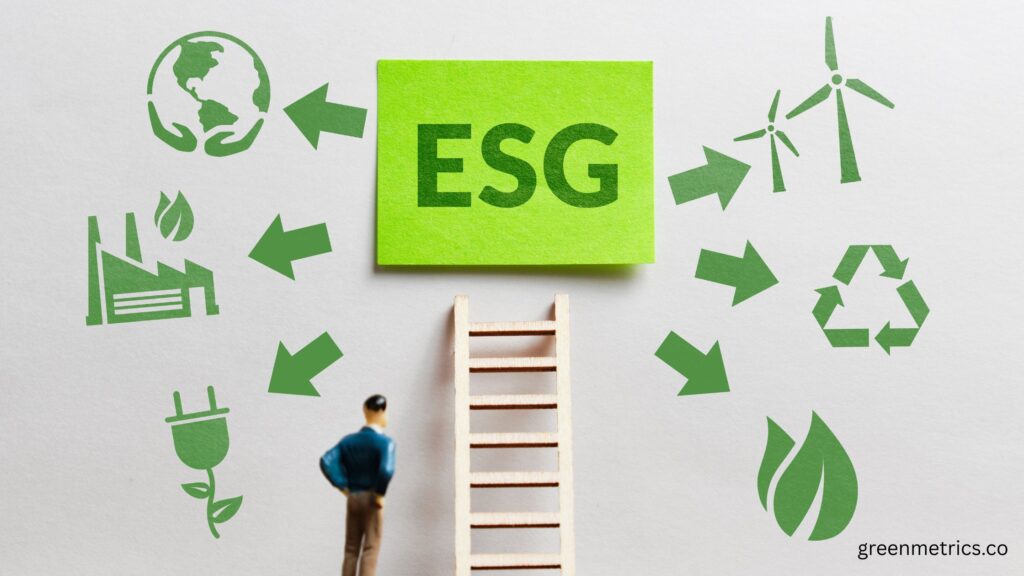
GRI Framework Fundamentals: Essential Knowledge for Cement Sector
The Global Reporting Initiative (GRI) framework offers a globally accepted structure to disclose a company’s economic, environmental, and social impacts. Developed to drive sustainable business practices, it helps organizations present their ESG data in a consistent and comparable manner, enabling stakeholders to make informed decisions.
For cement producers, the GRI framework is highly relevant given the industry’s high energy intensity, substantial CO2 emissions, and community dependencies. Indian cement plants often operate in water-stressed regions, making water management reporting vital, while worker safety in hazardous manufacturing environments is equally critical.
GRI uses three layers of standards:
1. Universal Standards – mandatory for all organizations (GRI 1, 2, 3)
2. Sector Standards – specific to high-impact industries
3. Topic Standards – covering areas such as waste, emissions, biodiversity, and human rights
By using these standards, cement companies can build reports that truly reflect their material impacts and stakeholder priorities.
GRI Standards Most Relevant to Cement Companies in India
While the entire GRI library is available, the cement industry should prioritize key standards:
– GRI 302: Energy – measures energy usage, transition to renewables, and energy-efficiency initiatives.
– GRI 305: Emissions – reports greenhouse gas emissions, reduction strategies, and climate adaptation.
– GRI 303: Water and Effluents – essential for plants located in drought-prone regions.
– GRI 403: Occupational Health and Safety – highly relevant for worker well-being and compliance with India’s labor laws.
– GRI 413: Local Communities – captures social license to operate, stakeholder engagement, land use, and resettlement.
– GRI 306: Waste – tracks hazardous and non-hazardous waste, circular economy practices, and resource recovery.
For example, a cement plant in Rajasthan might focus on GRI 303 to demonstrate how it conserves groundwater while a coastal plant may highlight climate-resilient infrastructure under GRI 305.
Regulatory Landscape and GRI Compliance in India
The regulatory environment for ESG reporting in India is rapidly evolving. SEBI’s Business Responsibility and Sustainability Reporting (BRSR) mandate for the top 1,000 listed companies is a game-changer. BRSR draws heavily from frameworks like GRI, making it easier for cement companies to align their GRI-based reports with mandatory disclosures.
Additionally:
– The Central Pollution Control Board (CPCB) sets environmental norms on emissions and waste
– National Green Tribunal (NGT) actively monitors cement plant compliance
– The Ministry of Corporate Affairs’ guidelines on responsible business practices connect to sustainability disclosures
– India’s National Action Plan on Climate Change (NAPCC) encourages energy efficiency and emissions reduction
Aligning with GRI proactively means cement companies can not only stay ahead of compliance but also demonstrate leadership in sustainable practices, opening doors to ESG-focused investors and partners.
Implementation Strategies for GRI-Based ESG Reporting
For cement companies, rolling out GRI-based reporting can feel overwhelming, but a phased strategy makes it achievable. Here is a detailed approach:
1. Materiality Assessment: Identify which topics are truly relevant for the business and its stakeholders — for cement, these could include water use, community impacts, emissions, and workplace safety.
2. Stakeholder Engagement: Consult investors, workers, local communities, and regulators to prioritize focus areas.
3. Baseline Data Collection: Conduct an ESG data gap analysis to know what is missing and build data processes accordingly.
4. Define Internal Roles: Assign a cross-functional team to drive ESG reporting.
5. Capacity Building: Train your workforce and management on GRI principles to build a reporting culture.
6. Third-party Assurance: Validate ESG data through external audits to boost credibility and confidence.
7. Continuous Improvement: After the first reporting cycle, review gaps, address them, and expand reporting scope.
For example, a cement manufacturer could start with emissions and energy data in year one, then include biodiversity, water, and social investments by year two.
Benefits of GRI-Aligned ESG Reporting for Cement Companies
Cement producers in India stand to gain multiple advantages by adopting GRI-based ESG frameworks:
– Regulatory Readiness
– Enhanced Transparency
– Improved Access to Finance
– Operational Efficiencies
– Stronger Stakeholder Relations
– Competitive Advantage
A well-crafted ESG report does more than tick compliance boxes — it becomes a strategic tool for brand building and risk mitigation.

Common Challenges and Practical Solutions
Despite the benefits, cement companies may face barriers such as:
– Fragmented Data Systems: Solve this with robust digital data platforms
– Limited ESG Expertise: Solve this with specialized consultants or dedicated in-house ESG teams
– Employee Resistance: Align ESG targets with incentive structures
– Perceived Costs: Start with a core set of GRI indicators to manage budgets
For example, rather than attempting full-scale reporting in one go, a cement company might report only on GRI 305 and GRI 403 in the first year while gradually building up to water and biodiversity standards later.
The Future of Cement Sustainability with GRI Reporting
In the Indian cement sector, GRI-based ESG reporting is no longer optional. With increasing regulatory expectations, stakeholder awareness, and climate commitments, companies must embrace transparent sustainability disclosures. By implementing GRI standards, cement companies can build resilience, earn stakeholder trust, and lead the industry toward a more sustainable, equitable future.
Now is the right time to build capacity, invest in ESG expertise, and take bold steps to position your cement business as a leader in sustainable growth.